
Fixing Last Mile Delivery in Uganda

YellowBIRD Uganda
August 15, 2017
The Delivery Force Behind MoMo Market Uganda
November 25, 2024
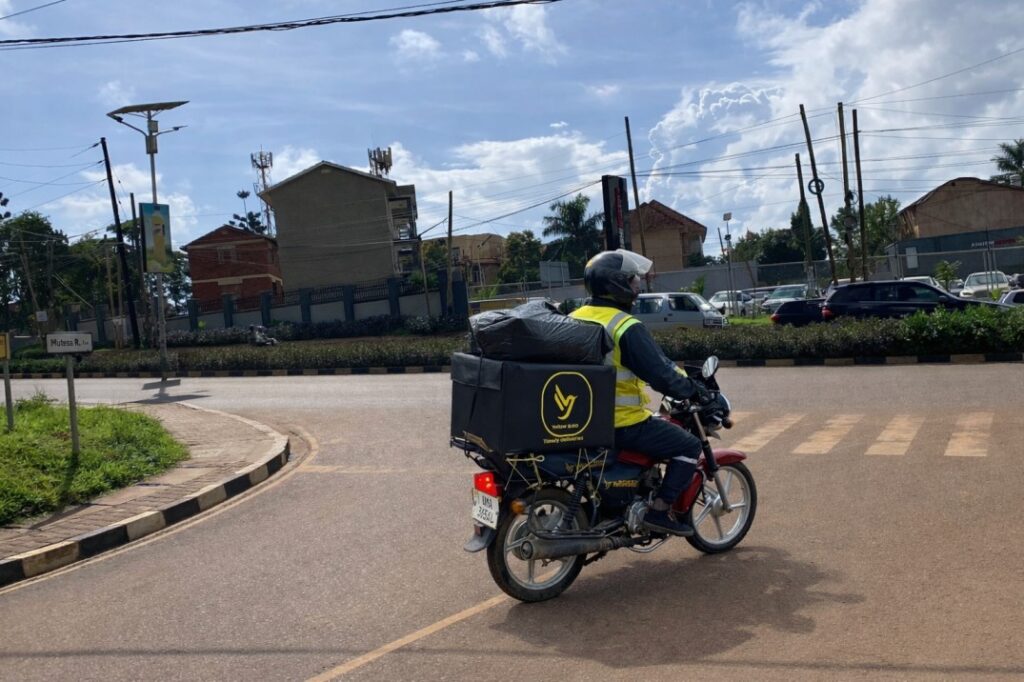
Merchants across Uganda’s CBDs and upcountry towns are losing customers, revenue, and trust not because their products are bad, but because delivery keeps failing them. YellowBIRD was built to change that.
Every morning, thousands of merchants open their shops physical and digital with the same quiet anxiety: will today’s orders actually reach their customers? Will the delivery guy deliver on time? Will the customer call to complain again? Will the return eat into already thin margins? For too long, the answer to all of the above has been an uncomfortable “maybe”.
What Merchants Are Really Up Against
The e-commerce story in Africa is often told from the consumer’s perspective rising smartphone penetration, growing digital payment adoption, a young population eager to shop online. But flip the lens toward the merchant, and the picture is far more complicated.
Selling online should be liberating. It should mean a boutique in Kampala’s city centre can reach a customer in Mbarara. A pharmacy in Gulu can process orders from across the region. A small manufacturer can distribute nationally without a single physical branch. The promise of e-commerce is exactly this: geography stops being a barrier.
But for most merchants, that promise collides violently with the reality of last-mile logistics. The product is ready. The customer has paid. And then everything that should be simple becomes a crisis.
The cumulative effect of these failures is not just operational frustration it is a ceiling on growth. A merchant who cannot reliably deliver cannot scale. They cannot take on more orders than their fragile, informal delivery arrangement can handle. The product might be excellent. The demand might be there. But without dependable logistics, neither matters.
“The biggest barrier to merchant growth in Uganda isn’t capital or product. It’s the quiet, daily breakdown of getting goods from the shop to the customer — reliably, affordably, every single time.”
Bridging the Consumer-Merchant Gap
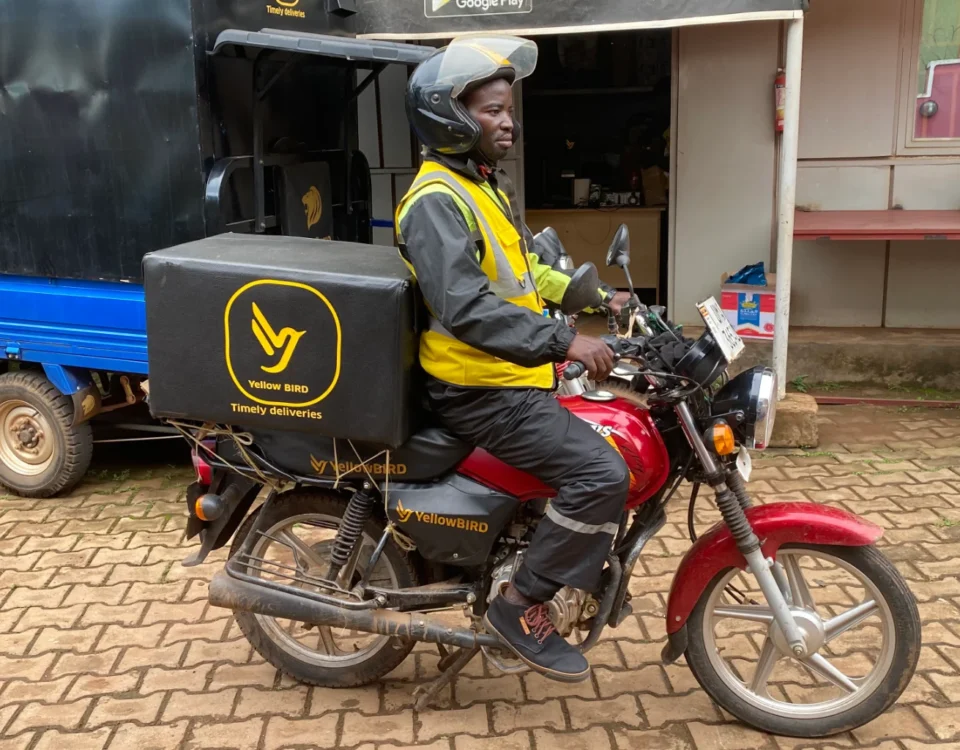
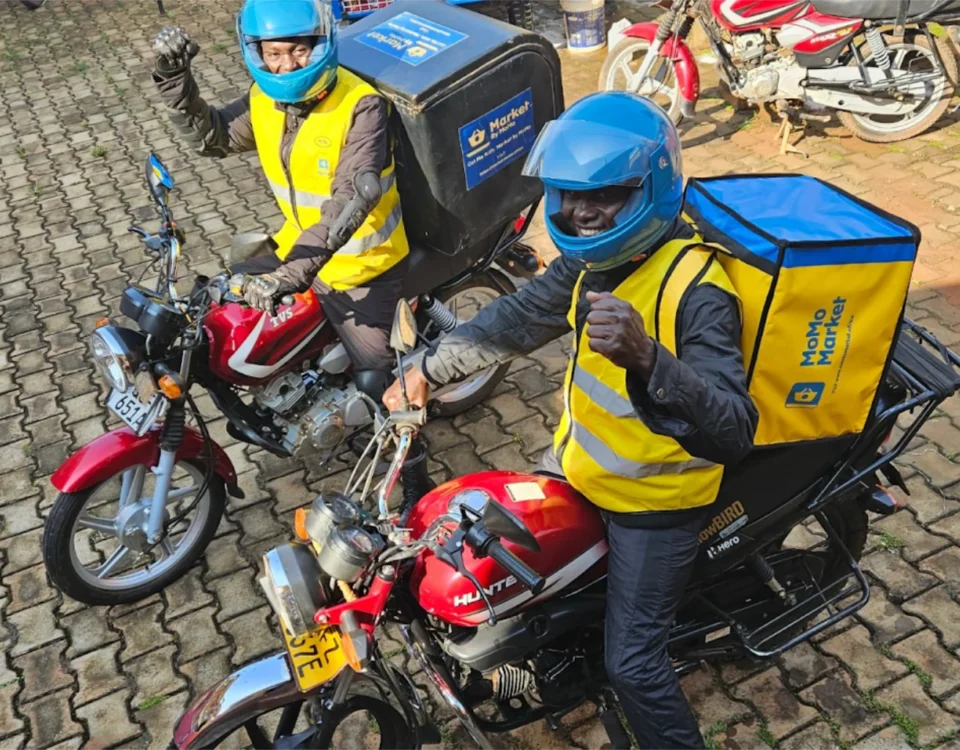
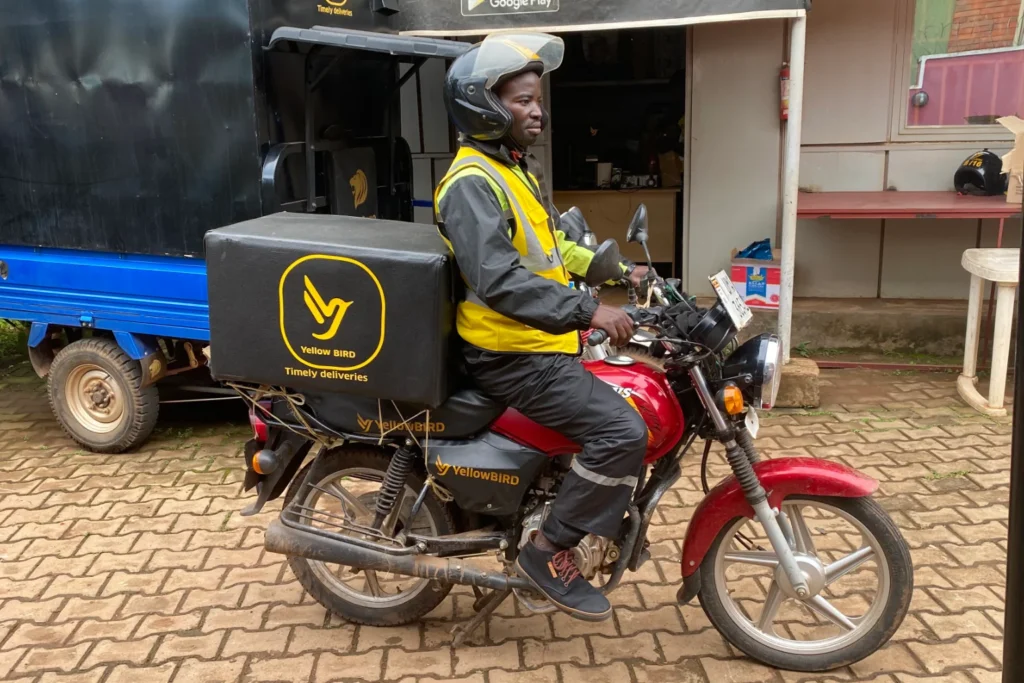
YellowBIRD entered this space with a clear understanding that technology alone doesn’t fix logistics. You need technology and operational infrastructure riders on the ground, warehousing capacity, a management layer that coordinates everything in real time, and a system flexible enough to serve both a boutique in Kampala’s CBD and a distributor sending goods three hours upcountry.
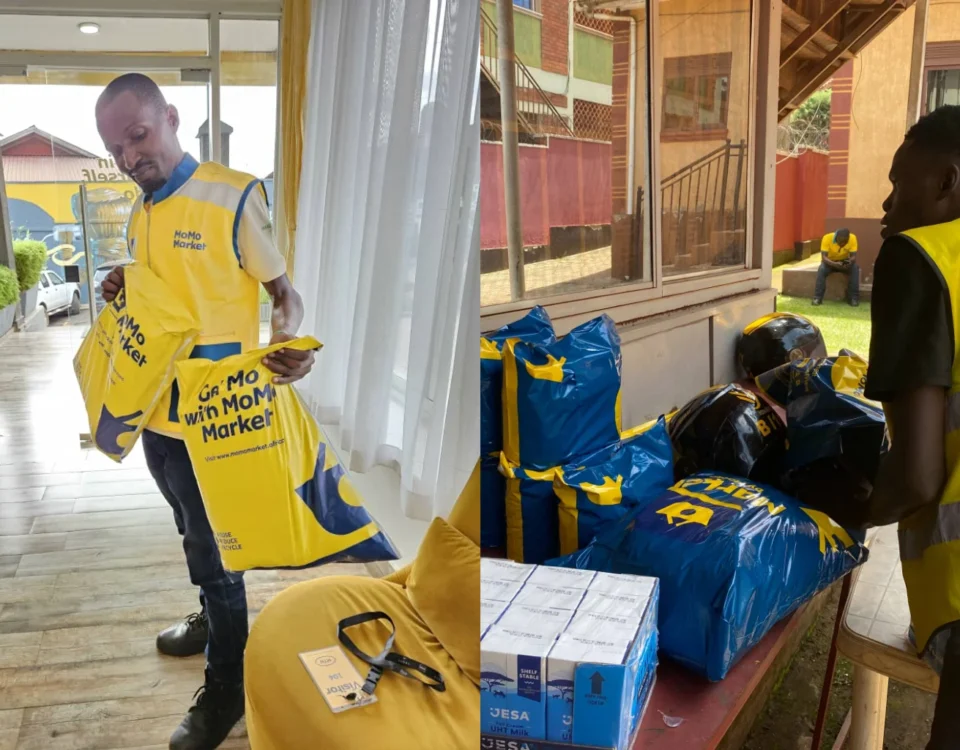
The bridge YellowBIRD builds is not metaphorical. It is an actual, functioning connection technology that links a merchant’s order management system to a live network of zoned riders, with an operations dashboard sitting in the middle coordinating every handoff. When it works, the merchant forgets logistics is even a problem. The order goes in. The rider appears. The customer receives. The confirmation lands. Even when a merchant has no platform, they are integrated to have a smooth run in business. That seamlessness is engineered, not accidental. Here is what sits behind it.
CBD and Upcountry: One Network
The delivery challenge in Uganda and across much of sub-Saharan Africa is not one problem. It is two very different problems wearing the same name. The CBD merchant and the upcountry distributor both need reliable last-mile delivery. But the obstacles they face, and the solutions they need, look nothing alike.
YellowBIRD’s zonal architecture is the answer to both. In the CBD, zones are tight and granular riders are pre-positioned in specific neighbourhoods, enabling rapid pickup from merchants and fast delivery to customers whose location the API has already pinpointed. The system doesn’t wait for traffic to clear. It routes around it, zone by zone, rider by rider.
For upcountry reach, YellowBIRD’s model extends the same framework: defined zones, allocated riders, coordinated pickups. The merchant doesn’t need to figure out how to send goods to Mbarara or Mbale. They plug in the order through the platform, and the infrastructure handles the rest. What was previously impossible a merchant in Kampala’s CBD reliably serving a customer three hours away becomes a routine transaction.
“When a merchant can serve every customer, not just the ones within walking distance, their market doesn’t grow incrementally. It multiplies.“
Before YellowBIRD. After YellowBIRD.
Sometimes the clearest way to understand a solution is to compare it directly against the problem it replaces. Here is what the merchant experience looks like on either side of the YellowBIRD integration.
What Changes When Logistics Works
The operational improvements are tangible. But the downstream business impact is where the real transformation happens. When delivery is reliable, several things change for a merchant simultaneously and they compound.
Sales volume grows because customers who trust that their order will arrive are dramatically more likely to order again. The repeat purchase rate the lifeblood of any merchant is almost entirely a function of the post-purchase experience. And the post-purchase experience is almost entirely the delivery.
Customer acquisition costs fall because satisfied customers refer. A customer who received their order on time, tracked it in real time, and got a confirmation alert becomes an advocate. That advocacy is worth more than any advertising campaign and it costs the merchant nothing.
Market reach expands without additional overhead. The merchant doesn’t hire more staff, open more branches, or buy a vehicle. They simply access a logistics infrastructure that already covers the geography they want to serve. The upcountry customer they couldn’t reach before is now just another order in the system.
Operational focus returns to where it belongs: the product, the customer relationship, the marketing, the growth. Every hour a merchant spends chasing riders, managing returns chaos, or handling delivery complaints is an hour stolen from building their business. YellowBIRD returns those hours.
A Playground Built for Business to Thrive
There is a version of African e-commerce that is fully realised where a tailor in Kampala’s industrial area can take an order from a customer in Fort Portal and have it delivered within 48 hours. Where a food manufacturer can distribute to fifty towns through a single digital platform. Where a small pharmacy can serve patients who can’t travel to the city. Where the geography of Uganda stops being a constraint on commerce and starts being a canvas for it.
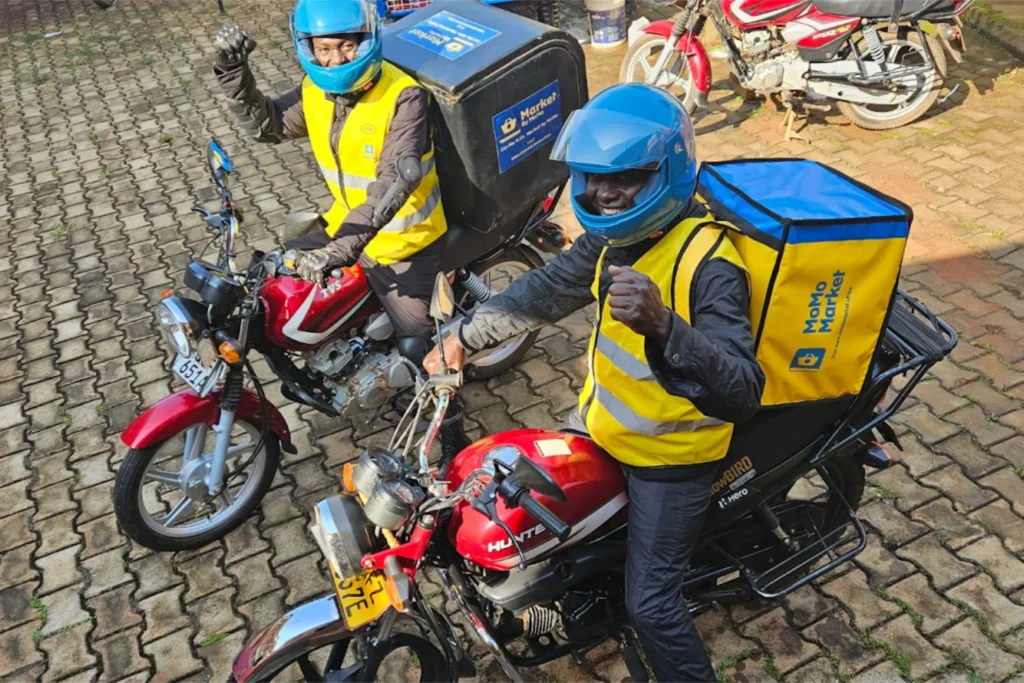
That version isn’t a distant ambition. It’s the direction YellowBIRD is building toward, order by order, zone by zone. The infrastructure that makes it possible the API integrations, the zonal rider networks, the warehousing capacity, the returns systems, the delivery intelligence is already being assembled. MoMo Market’s hundreds of merchants are already operating inside it. The playground is being built. And it is being built for business.
For merchants whether you’re a fashion retailer in the CBD, a grocery distributor in Jinja, or a tech accessories seller trying to reach customers in Arua the question is no longer whether reliable logistics is possible. It is whether you are plugged into the system that delivers it.
Ready to Stop Managing Delivery and Start Growing?
YellowBIRD’s logistics infrastructure is ready for merchants across Uganda, CBD, upcountry, and everywhere in between. Plug in. Deliver. Grow.